
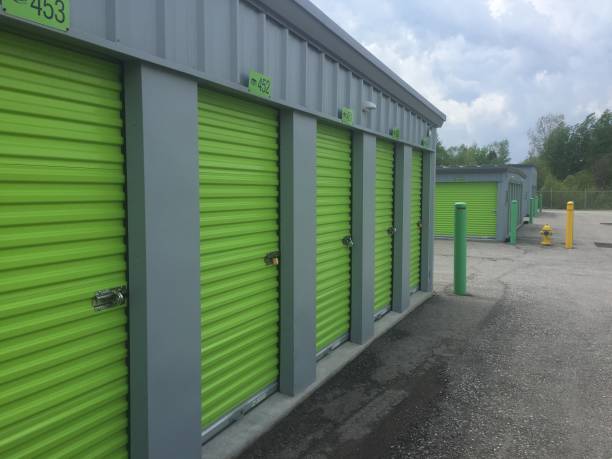
Clutter can build slowly until closets, spare rooms, and garages stop serving their original purpose. Extra storage can create breathing room without forcing households to get rid of items they still use, value, or plan to keep. Thoughtful self storage works best when renters choose the right unit size, organize belongings by purpose, and leave enough access for future use.
Start With What Actually Needs to Leave the House
Begin by separating items that belong in everyday living areas from things used only a few times each year. Holiday decorations, camping gear, seasonal clothing, extra furniture, keepsakes, and archived records are common candidates for storage units because they take up useful home space without needing constant access. Measuring larger pieces before renting also prevents oversized furniture from controlling the entire layout once move-in begins. A simple inventory helps renters see how much property is leaving the home and whether one small unit can handle the load. Photographing bulky pieces can also make it easier to plan placement before anything reaches the facility.
Sort by Use Before Packing by Room
Sorting by frequency of use often works better than packing everything according to the room it came from. Items needed once a month should stay easier to reach than possessions that may sit untouched for a year.
Seasonal groups can be arranged together so holiday décor, winter gear, patio items, and travel supplies are easy to find when their season returns. Clear categories also make self storage easier to maintain because renters know where new items belong instead of placing them wherever open floor space remains. Grouping related belongings can also prevent duplicate purchases when a household forgets what is already stored.
Choose a Unit Size That Leaves Working Room
Packed-to-the-door units may appear efficient, but they often become frustrating after the first retrieval. Shoppers comparing storage units near me should allow room for a narrow aisle, shelving, and enough space to move one box without rebuilding several stacks. Slightly more room can be useful when decluttering is an ongoing process rather than a one-time move. Floor dimensions matter, yet ceiling height can also increase capacity when strong boxes and shelving are used safely. Door width deserves attention too, especially for dressers, mattresses, shelving, and other pieces that cannot be compressed to fit.
Use Shelving to Keep Categories Visible
Shelving turns empty vertical space into organized storage while reducing pressure on lower boxes. Durable metal or heavy-duty plastic units work well for records, household supplies, tools, and smaller containers that need to stay visible.
Vertical organization is especially useful in self storage units where floor space is limited. Labels should face the aisle, with lighter containers placed higher and dense boxes kept close to the floor. Frequently used items belong on middle shelves where they can be reached without bending or stretching. Stable shelves also make it easier to inspect stored property without shifting entire piles. Transparent bins can help with visual identification, although sensitive papers and photographs may need more protective containers.
Keep Sensitive Belongings Separate From Durable Items
Climate controlled storage may be worth considering for wood furniture, electronics, photographs, paper records, artwork, leather, and certain fabrics. These materials can respond to large temperature or humidity changes, especially when they stay stored through several seasons. Clean, dry packing still matters because controlled conditions cannot correct trapped moisture or weak packaging. Breathable covers work better than tightly sealed plastic on many furniture pieces, while archival materials can support documents and photographs. Outdoor tools, plastic patio items, and similar property may not need the same environment, which can help renters avoid paying for features they do not need.
Build an Organization System That Can Grow
Descriptions should do more than say “miscellaneous” or “garage.” Specific wording such as “winter coats,” “tax records,” or “camping cookware” reduces the need to open several boxes during a quick visit.
Numbered containers can match a simple digital list that records contents and shelf location. This system becomes especially useful when storage changes over time, because new boxes can be added without losing track of older ones. Color coding by category may also help families who share the same unit. Organized storage should make retrieval faster, not create another cluttered room outside the home. Reviewing the inventory once or twice a year also gives households a chance to remove items they no longer need.
Let Access Needs Guide the Final Setup
Access frequency should influence where every category sits inside the unit. Households that rotate seasonal items several times a year need a different layout from someone storing furniture during a long renovation. Heavier pieces should remain stable and out of the main walking path, while commonly used bins belong close to the entrance. Storage Partner supports decluttering by giving households a separate place for furniture, seasonal items, records, and belongings that no longer need to take up everyday living space. With different storage unit sizes and climate controlled storage options available, renters can move less-used property out of closets, garages, and spare rooms while keeping those items organized, accessible, and ready when needed again.